- SemicHealth
- Posts
- Decode Your Heart Rate: Fast, Slow, or Just Right?
Decode Your Heart Rate: Fast, Slow, or Just Right?

SemicHealth Pulse
October 17, 2025
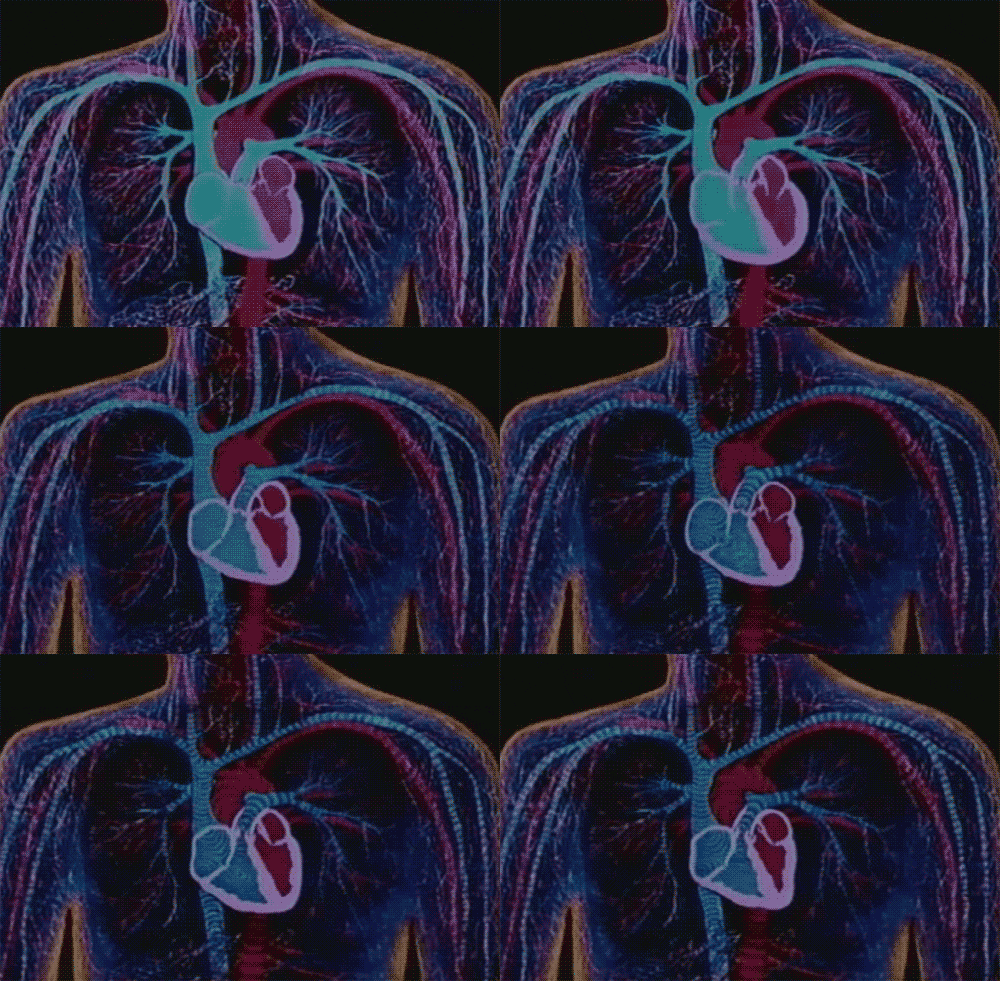

Fresh health tips, inspiring stories, and more every Friday. Brought to you by SemicHealth

Hey there,
Welcome to this week’s edition of SemicHealth Pulse.
Mark, a 38-year-old fitness enthusiast, prided himself on maintaining a healthy lifestyle. He jogged every morning, drank plenty of water, and ate clean. But lately, something felt off.
After climbing a single flight of stairs, his heart would pound rapidly in his chest. Other times, it would slow down so much that he felt dizzy and weak.
He brushed it off as “just stress”, until a quick check with his smartwatch showed his heart rate swinging wildly between 50 and 120 beats per minute, even at rest.
A visit to his doctor revealed that these fluctuations weren’t normal. They were early signs of a heart rhythm issue.
Many people, like Mark, overlook their heart rate until something goes wrong. But understanding your heart rate can be one of the simplest ways to track your cardiovascular health.
What You’ll Learn Today:
What a normal heart rate really looks like
Common causes of slow or fast heart rate
How to check your pulse correctly
When to see a doctor

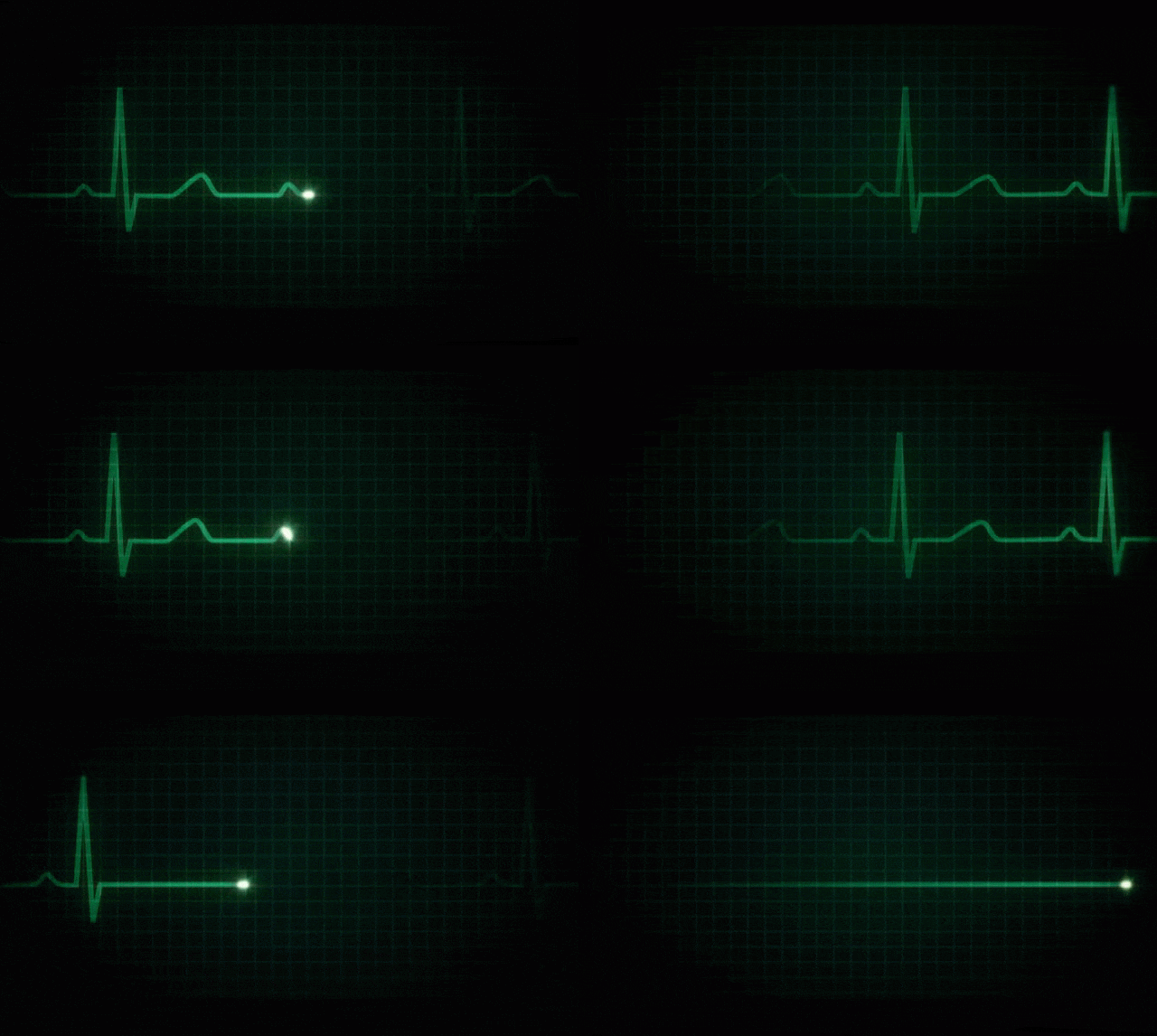
What Is a Normal Heart Rate?
Your heart rate or pulse is the number of times your heart beats per minute (bpm).
For most adults, a normal resting heart rate is 60–100 beats per minute.
A lower rate usually means your heart is strong and efficient, especially if you’re an athlete or exercise regularly.
But when your heart rate is too high or too low, it could signal an underlying issue, especially if you also experience fatigue, dizziness, or shortness of breath.


Fast Heart Rate Vs Slow Heart Rate
The majority of the questions we often get are. What could be the cause of a fast or slow heart rate?
A fast pulse over 100 beats per minute at rest can happen for many reasons:
Fever or dehydration
Caffeine or alcohol
Anemia or thyroid issues
Certain medications
On the other hand, a heart rate below 60 beats per minute can be normal for athletes but concerning for others, especially if it causes fainting, fatigue, or confusion.
Possible causes include:
Age-related heart changes
Medication side effects
Sleep apnea
Heart tissue damage
While temporary increases are normal during exercise or excitement, persistent tachycardia may strain your heart over time.

How to Check Your Heart Rate
It’s simple and takes less than a minute:
Place your index and middle fingers on your wrist or neck.
Count the beats for 15 seconds.
Multiply by 4 to get your beats per minute.
Alternatively, you could use a smart watch to monitor your heart rate. You can get one on our website.
Regularly tracking your pulse helps you notice changes early, before they become dangerous.


When to See a Doctor
So, when should you be concerned?
If you experience any of these, don’t wait it out:
Persistent heart rate above 100 bpm or below 60 bpm (and you’re not an athlete)
Dizziness or fainting spells
Chest pain, pressure, or tightness
Shortness of breath or unusual fatigue
And here’s something important. Even if your heart rate looks “normal,” but you feel like something is off, trust your instincts. Your perception of your body matters just as much as the numbers.
Here’s what to read next!
🩺 Extreme Fatigue & Anxiety: What’s the Connection?
Can exhaustion actually trigger anxiety attacks? How chronic fatigue rewires your brain.
⚖️ Headache Types & When to Worry
Throbbing vs. stabbing pain? Decode headache causes and know when it’s ER time.
💥 Cancer Cells at Birth: Myth or Reality?
Are we really born with cancerous cells? The shocking truth about cancer origins.
Thanks for reading, and take care, friends! We’ll be back next week to talk about "How Wearables Are Quietly Transforming Our Health Habits." See you then!
Here’s your reminder to email [email protected] with any (general) health and wellness questions you’d like for us to answer in a future edition.